
Winterizing Your Home
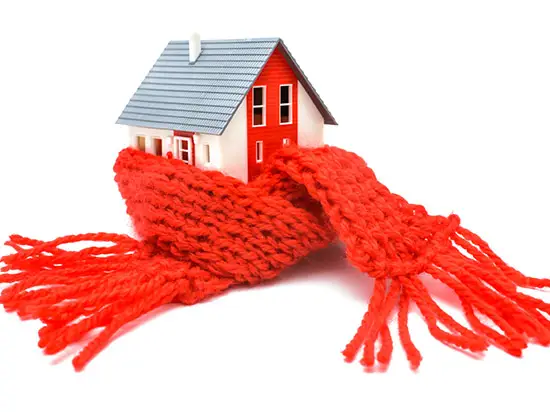
If you live in a region with cold winters, preparing your home for the colder months is essential for comfort, safety, and energy savings. While some tasks may require a professional, many can be done yourself to reduce heating costs and prevent damage to your heating system. Winterization not only saves you money but it can also extend the life of your home’s systems and improve indoor air quality.
Why Winterize?
Energy bills are expected to average almost $1,000 this winter for U.S. households, according to National Energy Assistance Directors Association (NEADA). Proper winterization can cut costs, prevent frozen pipes, and keep your home cozy. It also reduces strain on your heating system, lowers carbon emissions, and helps maintain consistent indoor temperatures.
HVAC (Heating, Ventilation and Air Conditioning)
Your HVAC system works hardest in winter, so maintenance is key:
- Replace air filters every 1–3 months for better airflow and indoor air quality.
- For older homes, it may be worth it to schedule a duct cleaning with a reputable company. Be sure that the company is certified by the National Air Duct Cleaners Association.
- Schedule a professional tune-up annually to inspect heating components, clean coils, and check carbon monoxide levels. Check with your HVAC technician to find out if the company offers annual maintenance plans. These allow you to pay a small monthly fee instead of the full cost of seasonal system tuneups and may offer other perks such as preferred emergency services and discounted parts or service.
- Seal duct leaks to prevent heat loss and improve efficiency. If your ducts are exposed, you can use a latex sealant like Mastic, foil tape, or a combination of both. If your ducts are not exposed and you expect duct leaks, contact a professional to discuss aerosol sealant applications that seal leaks from the inside out. It is not recommended to use standard duct tape.
- Use a programmable or smart thermostat to maintain 68°F when home and lower when away or asleep. This can save up to 10% on heating costs.
- Reverse ceiling fans to push warm air down.
- Consider zoning systems for larger homes to heat only occupied areas efficiently
Hot Water
Nobody enjoys paying for too much hot water in the winter unless it's being used for hot showers after an afternoon of shoveling the sidewalk. In the winter, we can lose a lot of our heat (and money) if we're not careful. Repairing leaking hot water facets, replacing old water tanks, and insulating pipes are just a few of the things you can do to winterize your home.
- Insulate hot water pipes to reduce heat loss.
- Lower water heater temperature to 120°F for 6–10% savings.
- Consider a water heater blanket for units in unheated spaces—can save up to 10% monthly.
- Upgrade to a high-efficiency water heater or tankless system for long-term savings.
Windows and Doors
According to Energy Star, about 20% of the air you use to heat your house is lost through leaks and incomplete sealing on windows and doors. This type of loss can contribute to high costs and a home that is hard to keep warm! Thankfully, there are modern solutions that can drastically reduce drafts:
- Install ENERGY STAR-certified windows and doors—they can cut heating costs by up to 13% nationwide.
- Use Low-E glass and multi-pane windows for better insulation.
- Seal gaps with caulk and weatherstripping; add door sweeps and foam outlet protectors.
- Thermal curtains help retain heat at night.
- Apply window insulation film for an extra layer of protection against heat loss.
Attic Insulation and Roofing
Poor insulation can be the cause of high heating costs in the wintertime. Good insulation can save energy costs in the winter and the summer and should be updated and added to as needed throughout the year. There are several types of insulation, each with its own benefits, so check with a professional to see which type would work best for winterizing your home.
Insulation is the MVP of energy efficiency:
- ENERGY STAR recommends R49–R60 for attics in cold climates; check your insulation depth and add more if joists are visible.
- Seal air leaks before adding insulation for maximum performance.
- Inspect your roof for cracked shingles and clear gutters to prevent ice dams.
- Consider radiant barriers or spray foam insulation for improved thermal performance.
- NOTE: Installing insulation is something that many homeowners can do on their own. However, it’s important to remember to wear the proper clothing, eye protection and a mask or respirator because insulation fibers are not only itchy, but can also cause skin, lung and eye irritation. Also, working in an attic can be dangerous! Be sure to only step on the joists! It’s very easy to fall through a drywall ceiling. When in doubt…call a pro.
Other Winterizing Tips
- Protect pipes with foam sleeves or heat tape in unheated areas.
- Close fireplace dampers when not in use or install an inflatable chimney plug to stop heat loss.
- Stock up on emergency supplies—flashlights, batteries, blankets, and non-perishable food.
- Check smoke and carbon monoxide detectors to ensure safety during heating season.
Financial Assistance
Low-income households may qualify for Weatherization Assistance Programs (WAP), offering free insulation, air sealing, and heating system upgrades. Apply through your state or local agency, or contact your energy provider for more information on programs that may be available in your state.
Quick Winterization Checklist
- HVAC tune-up & filter change
- Seal drafts around windows, doors, and outlets
- Add attic insulation (R49–R60 recommended)
- Insulate pipes & water heater
- Reverse ceiling fans
- Clean gutters & inspect roof
- Prepare emergency kit